
Seed the Commons participated in the First International Conference on Transitioning Away from Fossil Fuels in Santa Marta, Colombia, expecting the familiar obstacles. What we found instead was an opening, and we used it to push a model long excluded from climate negotiations: food systems centered on ecological farming, without animal husbandry.
The conference was billed as the launch of a new, global, stakeholder-driven process for concrete climate action. In fact, the process started two months before the conference itself, with the governments of Colombia and the Netherlands inviting participants—including representatives from governments, academics, NGOs, and social movements—to submit written inputs.
“We had just come out of the COP30 process in Belém, Brazil, and what we witnessed in the Amazon was a pattern we had seen before: corporate capture, institutional inertia, and the visible dominance of agribusiness, especially through the AgriZONE space.”
We had just come out of the COP30 process in Belém, Brazil, and what we witnessed in the Amazon was a pattern we had seen before: corporate capture, institutional inertia, and the visible dominance of agribusiness, especially through the AgriZONE space. This pattern effectively set the boundaries of what could and could not be named. The COP process is structurally constrained by powerful interests, which is why many like us choose instead to participate in its parallel events. The creation of the Santa Marta process was a break from COP, and in it we saw another opportunity to advance a system-level critique of what captured climate frameworks refuse to recognize.
Confronting the Agricultural Blind Spot
Our submission centered on the assertion that a meaningful transition away from fossil fuels is impossible without confronting the role of food systems, including animal agriculture, as a structural driver of emissions, land use, and ecological collapse. We argued that:
- Industrial and animal agriculture are structurally dependent on fossil fuels and need to be included in phaseout frameworks.
- Livestock production is the single largest anthropogenic source of methane.
- So-called “regenerative grazing” is a false solution that has a destructive effect on ecosystems.
- A genuine transition must prioritize animal-free ecological farming, and use at least some of the land freed up by this shift for rewilding and the restoration of carbon sinks.
- Subsidies must be redirected away from fossil-fuel-reliant agriculture, industrial animal agriculture, and cattle grazing, and channeled instead to support local producers, protect biodiversity, and foster climate-friendly, plant-based food staples.
These positions are scientifically supported by IPCC analysis, yet they remain peripheral. They are largely absent from international climate frameworks, and their absence is not accidental.
What Happened in Santa Marta
Among the outcomes of the conference and the parallel civil society process, two documents tell a revealing story. The contrast between these documents reinforces our observation that the usual absence of these positions from international climate frameworks is not accidental.
The official NGO Synthesis (the document filtered through the official government process, led by the Colombian and Dutch governments) included generic food systems and agroecology language but stripped out every specific element of our submission. No livestock methane framing. No critique of even industrial animal agriculture. The international cooperation pillar did not even mention food systems and agroecology, even though it served as the most actionable and mechanism-driven of the three thematic pillars that defined the scope of the conference. This was certainly not an oversight. It reflects the political limits of what institutional processes, shaped by corporate influence and colonial mindsets, are currently willing to hold. In addition to language on food systems, the document also omitted several of civil society’s other most urgent priorities: definitive target years for fossil fuel phaseouts, a list of false solutions to be avoided, and any naming of the specific military conflicts currently driving fossil fuel lock-in globally.
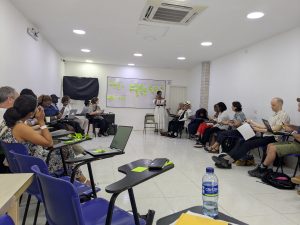
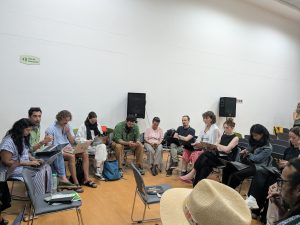
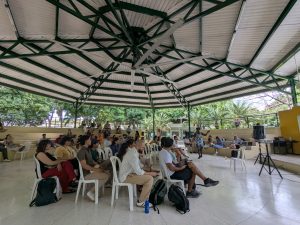
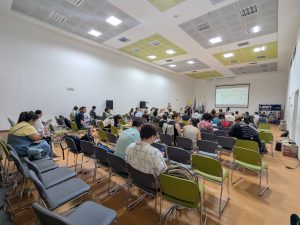
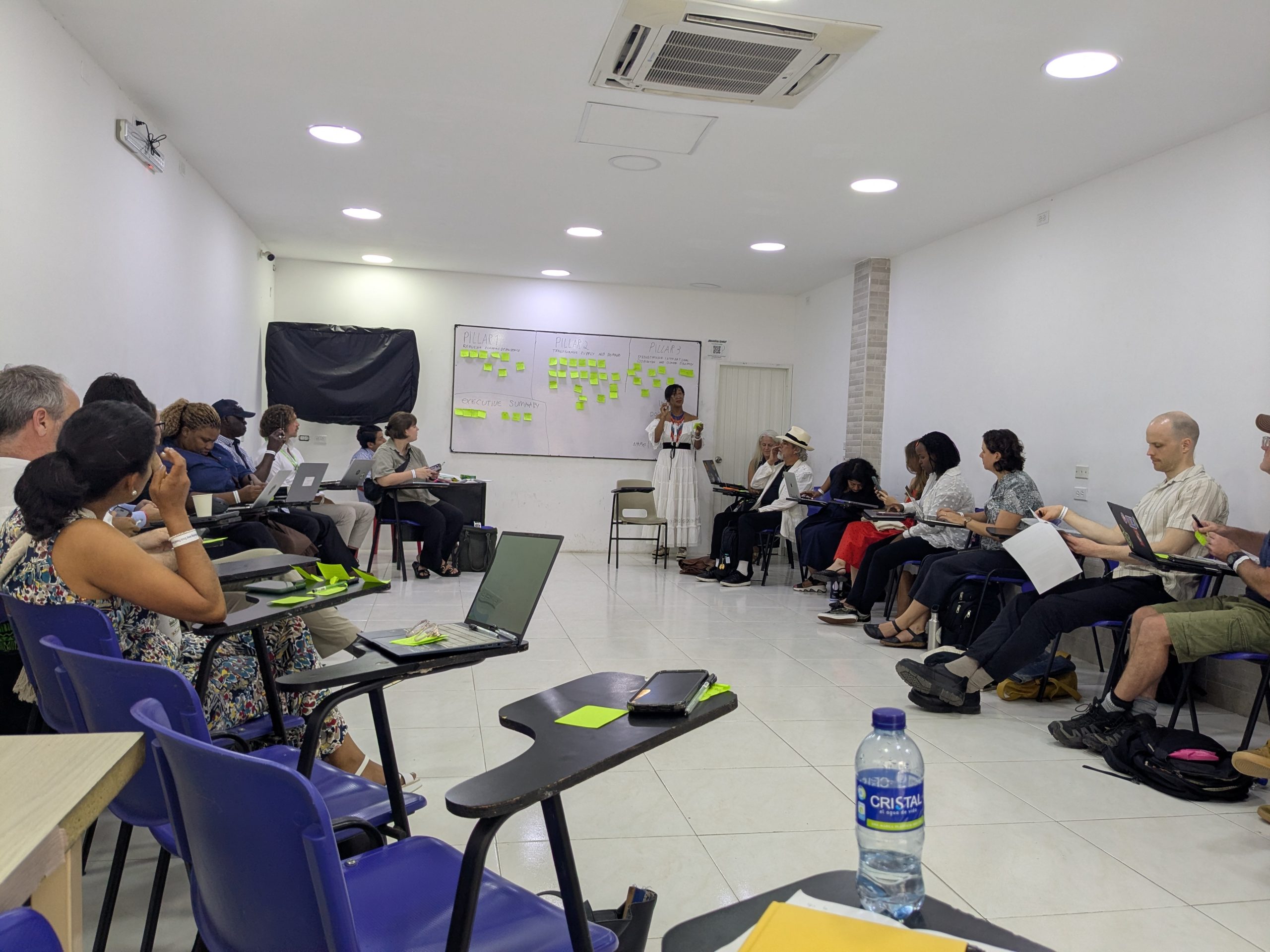
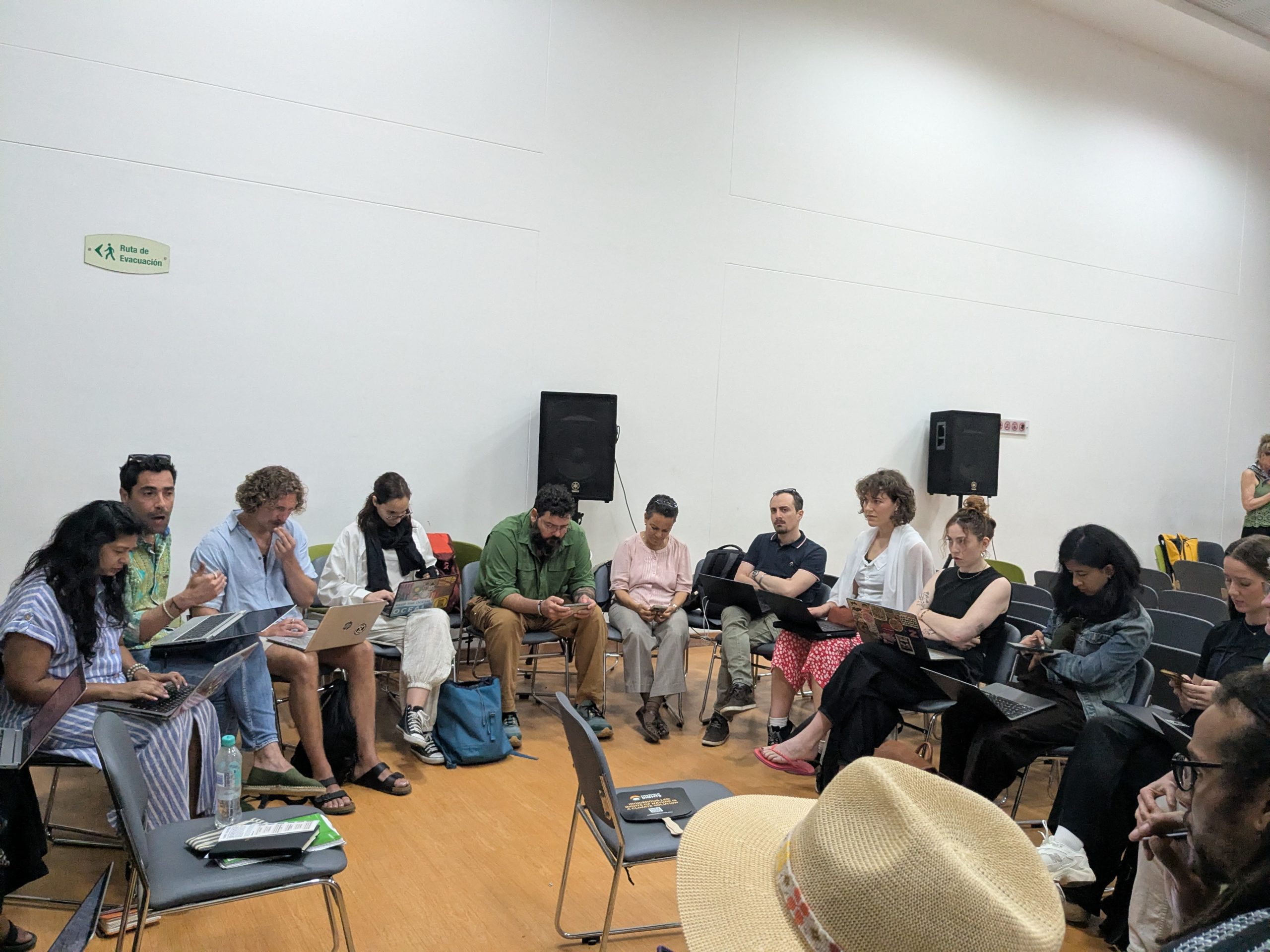
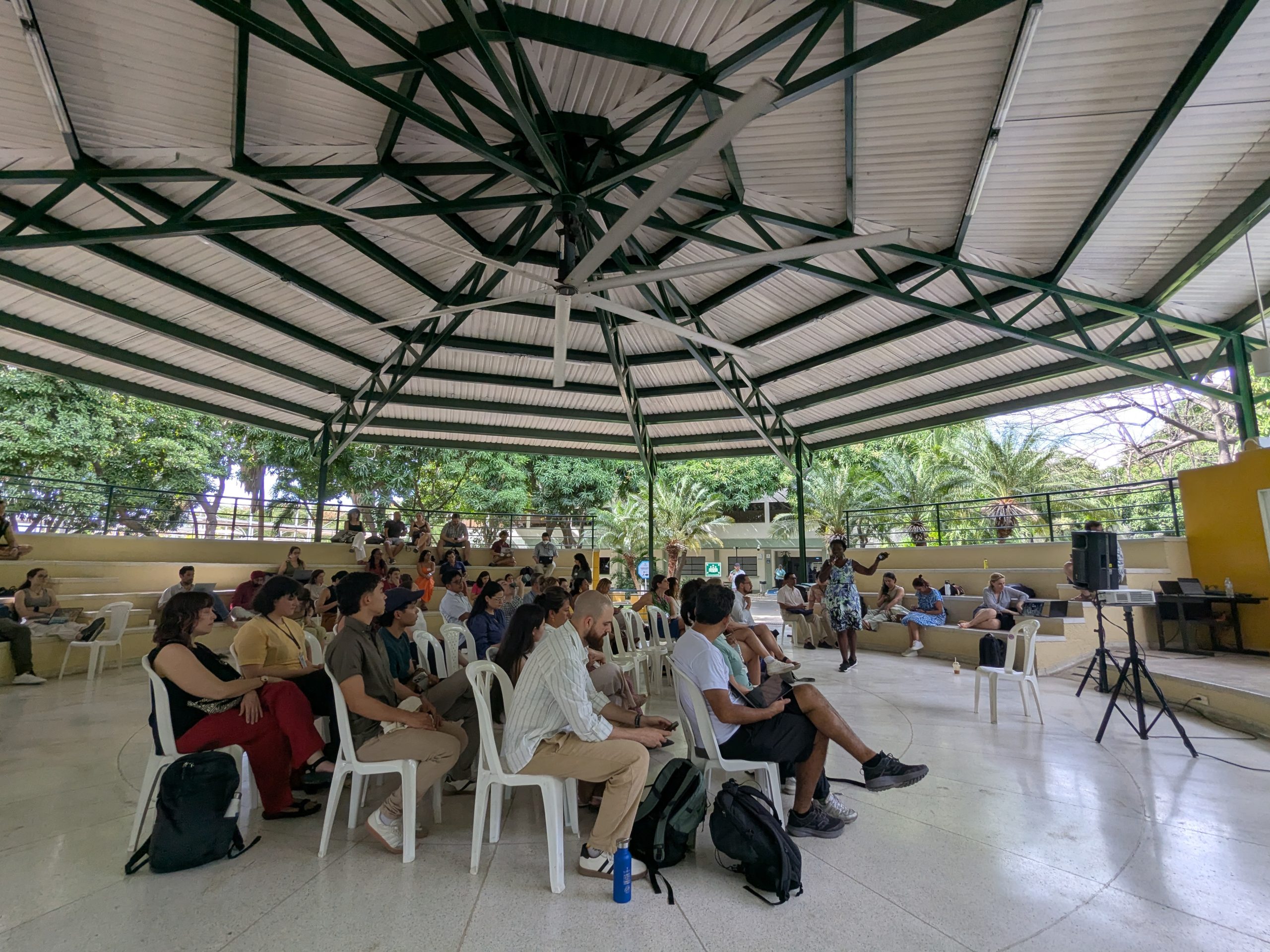
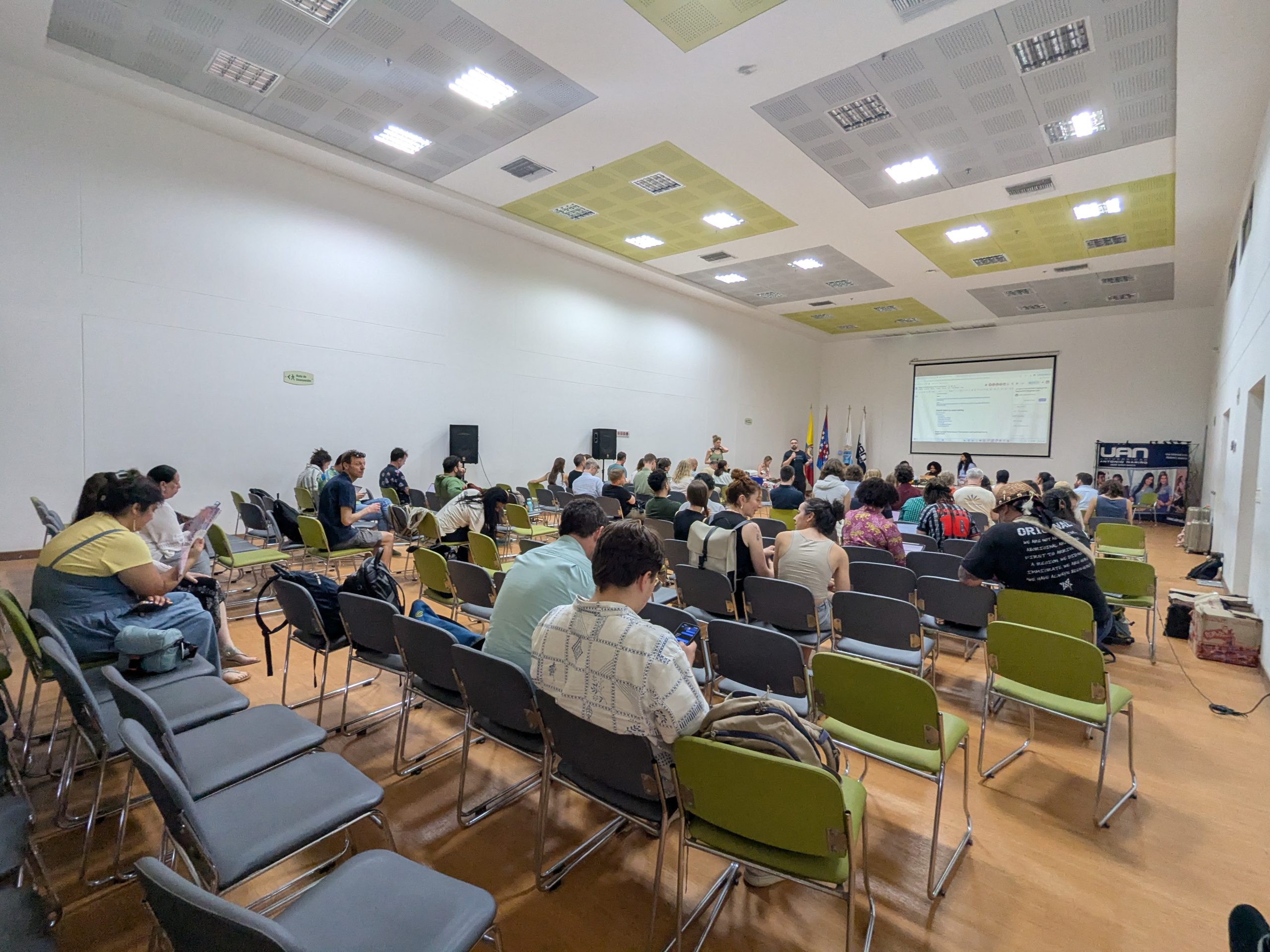
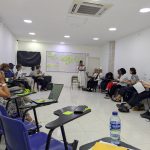
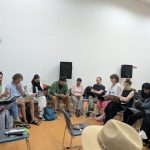
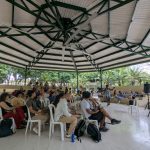
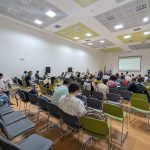
The Santa Marta People’s Declaration For A Rapid, Equitable, And Just Transition For A Fossil-Free Future, or simply the Santa Marta People’s Summit Declaration, produced through the parallel civil society process, told a different story. Our analysis did not disappear. It appeared in specific, identifiable language that corresponds directly to the interventions Seed the Commons made in our initial written submission and then reiterated and defended over weeks of collaboration.
The final People’s Summit Declaration includes:
- Integration of food systems into fossil fuel dependency frameworks
- Inclusion of agricultural methane emissions as a consideration
- The naming of both industrial and animal agriculture in relation to the above points
- Support for shifting subsidies towards animal-free ecofarming and connecting this with rewilding and ecosystem restoration
- Inclusion of regenerative grazing in the list of false solutions
This language is a very significant break from the usual movement positions, and it is traceable to the specific framework we submitted and our weeks of engagement.
Beyond Symbolism, a Structural Breakthrough
This is not a symbolic win. It is a structural breakthrough at the level of narrative and framing. For the first time in a global civil society declaration of this scope, animal agriculture is treated as part of the fossil fuel system and a significant cause of climate change. Methane is linked structurally to agriculture and land use. Industrial livestock is placed inside transition demands. Land-use transformation is tied to rewilding and restoration. These positions remain largely absent from COP processes, the Global Methane Pledge, and the Fossil Fuel Non-Proliferation Treaty framework. The People’s Summit Declaration moved further than any of these initiatives.
Some things were also diluted or didn’t make the cut. The outcome follows a normal political pattern: radical analysis is somewhat accepted as diagnosis, but radical prescription is softened into optionality. There is no binding transition framework, no demand-side or dietary shift language, and no methane enforcement mechanism. While some of the specific language around animal agriculture made it through, in other cases it was removed or qualified. This is political containment but not failure. It is how movement change works: not through immediate policy adoption, but in a longer process that starts with changing what can be said.
What Comes Next: Turning Language into Leverage
Before Santa Marta, there was no civil society declaration of comparable scope that treated livestock methane as politically nameable, that placed industrial animal agriculture inside a transition framework, that promoted animal-free ecological farming and linked it to land liberation as climate strategy, and last but not least, that challenged regenerative grazing as a false solution. We have a new baseline. The People’s Summit Declaration now stands as a precedent on which future negotiations, campaigns, and coalitions can build.
“We have a new baseline. The People’s Summit Declaration now stands as a precedent on which future negotiations, campaigns, and coalitions can build.”
This Declaration is a foothold, not an endpoint. The next phase of work is operational and will include: moving from methane diagnosis to methane targets; expanding accountability more explicitly to cattle grazing; translating subsidy phaseout commitments into policy frameworks; and developing just transition pathways for affected communities. The task now is to turn language into leverage.
Seed the Commons went to Santa Marta after seeing the limits of COP30. We submitted a framework built on work and analysis that we began at COP15 in Copenhagen. That framework did not survive the official Santa Marta process, but it survived the People’s process. That distinction tells you where the future of climate politics is being written and where we intend to keep showing up.
Seed the Commons is an international grassroots organization that works to wrest food systems from corporate control and create alternatives that are just, sustainable and free from animal exploitation. Sign up for updates and support our work at seedthecommons.org/donate.